

Article:
Innovation beyond the buzzwords: what’s actually changing energy retail?
By Angelique Minas
Energy retail innovation is often framed around artificial intelligence, sophisticated pricing models and advanced analytics. Yet some of the sector’s most valuable changes are less technologically ambitious: they use existing capabilities more effectively to improve affordability, build trust and make energy easier for customers to navigate.
Across the sector, retailers are combining smarter use of existing data, more responsive customer service, targeted automation and a broader understanding of customer value. The common thread is a shift from innovation as technology acquisition to innovation as measurable improvement in customer and business outcomes.
Turning data into better customer outcomes
Smart meters have created significant opportunities for retailers, allowing greater understanding of consumption patterns which can help customers make informed decisions; but, access to more detailed data is only the start.
Aurora Energy chief customer officer Will Barbour explained that the real value is in making that information useful, understandable and actionable.
“At Aurora Energy, our starting point is simple: don’t leave any Tasmanian behind.”
“We see an opportunity in emergent energy technology but part of innovation for us today can be simply using the data we have access to through our almost 100% smart meter penetration,” he said.
Retailers can draw on detailed consumption data, helping customers assess their energy use and determine whether their current tariff is appropriate.
Whilst Barbour said this process is hardly “cutting edge’, characterising it as a practical approach rather than a technological breakthrough, he still feels it is one of the most meaningful things Aurora does for its customers.
“Sharing insights with customers in a genuine way to help them understand their energy use and make choices that benefit them will always take new forms.”
“Helping customers understand down to the cent, whether they’re on the right tariff, and giving them the confidence to change when they’re not,” he said.
By helping customers identify consumption patterns, understand their bills and assess the financial implications of their choices, this approach can support more confident decisions and make a tangible difference to household budgets.
Barbour summarised the intended outcome: “Done well, innovation makes energy simpler, more accessible and more meaningful for everyone.”
Automation, AI and the human factor
Streamlining customer service, improving operational efficiency, and helping retailers respond more quickly to changing customer needs are all things that AI and automation promises; but adoption of this technology should be intentional, targeted and pragmatic.
Terence Alvares of Operations Optimisation Advisory said: “The innovation that matters most in energy retail is not a new tool. It is whether the people who will use it trust it.”
The success of new and impressive platforms depends on whether their employees can incorporate them into everyday work, and automating a process that does not address a customer problem can just make an already ineffective process faster but not better.
As Alvares explained: “Automation and smart meter data create value only when the frontline teams use them to resolve customer problems, not just to report on them.”
This makes implementation as important as investment. Reliable data, well-designed processes and effective training are essential if new systems are to deliver measurable improvements. Frontline employees must understand how to use the technology and have confidence in the information it provides.
“The retailers doing well treat data quality and adoption with the same discipline as the technology roadmap.”
“Flexible tariffs and AI-driven propositions will deliver on their promise only if those foundations hold, especially for customers in hardship,” Alvares said.
Automation, AI and other technological advances are capabilities rather than outcomes in themselves. Their value depends on how retailers deploy them: to protect customers and keep products accessible, help service teams resolve enquiries more efficiently, reduce repetitive administration and use customer information to identify issues before they escalate.
New technology should strengthen customer support not just reduce the need for human contact.
Rethinking what an energy proposition delivers
Innovation is reshaping how retailers define their customer propositions, with flexible tariffs, time-based pricing and offering rewards for adjusting consumption habits helping households and businesses respond to changing conditions across the energy system.
For new models to deliver benefits that customers can understand and access, retailers face an important design challenge: creating propositions that respond to the needs of different customers with different consumption patterns.
Yurringa Energy’s chief executive officer Arron Wood said, as “Australia’s first and currently only, First Nations-owned energy retailer” their innovation goals focus on social procurement.
Demonstrating how a different ownership and procurement model can reshape the value proposition.
With ownership involving Taungurung Land and Waters Council and the Federation of Victorian Traditional Owners through Federation Enterprises, “Yurringa Energy has gone a step further to be not only First Nations-owned, but owned by First Nations communities as well,” according to Wood.
Therefore, the business is creating an opportunity for commercial, industrial, government and other business customers to direct their energy expenditure towards First Nations economic participation.
This model broadens the definition of energy retail innovation beyond products and digital capability. By changing who participates in the market and where commercial expenditure flows, it creates a distinct customer proposition while directing value towards First Nations economic participation.
Innovation within a changing regulatory environment
For energy retailers, any innovation opportunity must be balanced against regulatory obligations, and the cost of compliance and consumer protections are essential, especially in a market where energy affordability remains a pressing concern.
ENGIE’s managing director of retail, Andrea Bernard, said: “In a more regulated market, the real question isn't how we protect innovation, it's how we protect customers.”
The challenge retailers face is finding a balance, she said. Walking the line between this obligation and responding to changing expectations and emergent technologies, requiring a focus on outcomes, proportionate compliance and understanding of how additional costs can affect customers.
“Almost all participants in our industry want to deliver value to customers through great customer experience. Appropriate regulations and complying with our obligations should enable that, not stand in the way.”
“When compliance becomes overly complex, those costs ultimately flow through to customers, raising prices and reducing the flexibility required to innovate and improve customer outcomes,” she said.
Measuring what matters
The next phase of energy retail innovation will not be defined by the number of AI tools deployed or the sophistication of a retailer's technology stack. It will be determined by whether those investments improve customer experiences, support affordability, strengthen operational performance and create meaningful new forms of value.
Technology will remain an important enabler, but it is not the measure of innovation. The retailers most likely to succeed will pair it with disciplined implementation, a detailed understanding of customer needs and a willingness to challenge established business models. The test is straightforward: does the change make energy more affordable, accessible or useful… and can customers feel the difference?
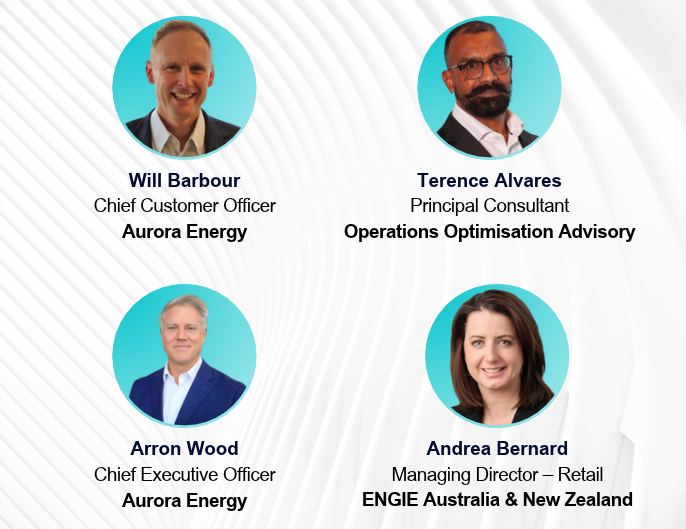
Hear from Will Barbour, Terence Alvares and Andrea Bernard as they examine the innovations reshaping energy retail, ahead of bringing industry perspectives to Energy Retail Excellence 2026 in Sydney this December.